Use the "UP" button to the left to return to the previous page
Technical
Information
Speaker Failure in BR18 Steam Locomotive
with Sound Effects!
We have received and repaired several of
the Märklin BR18 steam locomotives which have lost their sound. The
problem seems to be the volume setting on the decoder. If the volume pot
is turned up more than half way, you stand a chance of overdriving the speaker
and burning it out. This can be an expensive venture as Märklin only
offers the speaker/sound board together as one part. We have discovered a
suitable replacement speaker that fits perfectly and is almost identical to the
factory speaker. 99% of the time, this is the only part needing
replacement to restore the sound. An ounce of prevention......check the
volume setting on your sound board! Turn it to the extreme position in
both directions and make note where the half way point seems to be. Set
the pot at the half way point or lower. This gives more than sufficient
sound volume with the tender shell replaced.

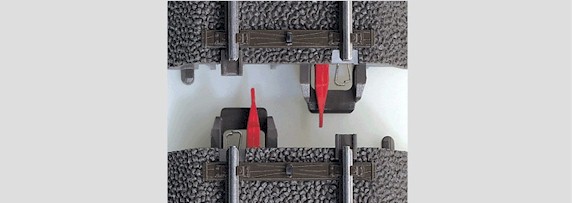
Correct
Installation of 74030 insulators on C-Track center rail contacts.
0340
Signal Manual Now Available for Download FREE!
Märklin
has decided to make the signal manual 0340 available free because the printing
costs are prohibitive. Go to http://www.marklin.com/tech
to download now!
Displaying and Storing locomotives
Locomotives in display cases or
stored in
their boxes for long periods of time should be run at least once a year.
Oiling
a locomotive before storage is detrimental! There is a danger of
the oil hardening in the mechanism. Although Märklin oil (7149) is made
to particular specifications, this product may harden over long periods of
storage time! (We Recommend the use of HAG special Oil!)
Tips:
(Helmuts Hobbies recommend the use of LaBelle 107
or 108
oil for Z locomotives to prevent lock-up) If you suspect a Z loco is
locked up DO NOT try to free it up yourself. The motor WILL burn out
quickly due to the excessive current flow through the fine windings of the
armature.
HO locomotives store best with the box oriented
so the locomotive is sitting on its wheels instead of lying on its side.
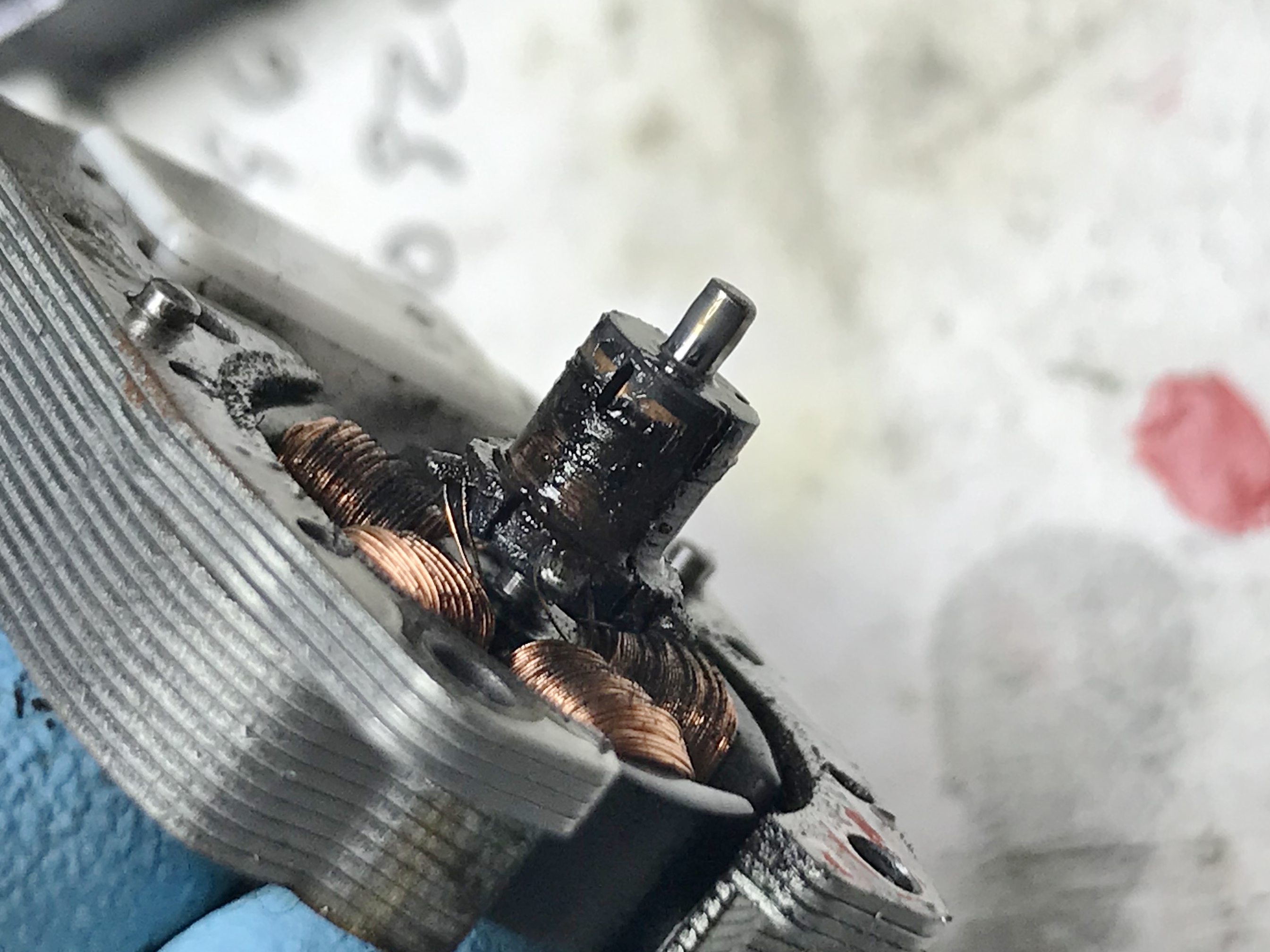
This helps prevent the oil on the armature from wicking down onto the comutator
and soaking the brushes. This is one reason we replace seemingly new
looking brushes. Many times they are oil soaked and if reinstalled will
eventually cause the insulating segments of the armature to fill with
carbon. This causes poor performance and can eventually lead to armature
failure.
Save your Digital Decoders!
Locos with digital decoders
(especially newer locos with the high efficiency propulsion decoders) need
routine maintenance to protect their decoders from failure. I have had
numerous locomotives come in with decoder failure that is caused by the
armature's insulating segments getting clogged with brush residue and oil.
Excessive oil on the armature bearings of locomotives (which use brushes 601460)
wicks down onto the armature comutator. As the brushes wear, the carbon
dust collects in the oil instead of falling away. This carbon dust is
conductive and when mixed with oil it gets packed into the insulating segments
(grooves) of the armature by the brushes. This causes excessive current to
be drawn by the motor and can eventually burns out the decoder.
There is a simple and cost
effective fix for this. At least once a year, or more often if you use a
particular loco a lot, clean out the motor cover and the armature. This is
easy to do.
1. Remove the brushes from the
cover by pulling the brush springs out of the way. Remove the two screws
that hold the motor cover in place and remove the cover being careful not to
break any wires.
2. Use a cotton swab wet with
Ronsonol lighter fluid to wipe out the residue from inside the cover. Wipe
again with a dry swab.
3. Remove the armature and use
another swab wet with fluid to gently wipe the contact surface (the copper part)
of the armature comutator. Check the grooves on the comutator to make
sure they are clear of dirt and debris. You may flush the armature with
clean fluid right from the bottle if necessary to remove debris. Dry the
armature with a paper towel and re-install. Install the motor cover
and retaining screws.
4. Clean the brushes by
rolling them on the paper towel with a little fluid and check them for wear and
replace if necessary. Fit the brushes into the motor cover and return the
retaining springs to their original positions. Finally, put just a trace
of oil on the armature shaft where it protrudes through the brush cover.
You have just saved yourself the
cost of a new decoder. It is easy and fast to do. However, I realize
some folks are still squeamish at the thought of going this far. That is
okay. That is why we are here to help. We will perform this service
for locos $55.00 plus return
shipping and brushes if needed. Remember, over oiling the front motor
bearing on your locos which use the 601460 brushes is to be avoided if at all
possible.